
Laporan Industri Pembuatan Blok Global 2026: Lanskap Pertumbuhan, Permintaan Serantau dan Trend Pembangunan Teras
Tajuk Utama
Industri Blok Konkrit Global Mengekalkan Pengembangan yang Mantap; Automasi dan Karbon Rendah Menjadi Dua Laluan Strategik Utama Merentasi Semua Pasaran
Perenggan Pembukaan
Sektor blok konkrit di seluruh dunia, tonggak asas pembinaan global, meneruskan momentum menaik yang stabil pada tahun 2026 di tengah-tengah pembandaran di seluruh dunia, program perumahan mampu milik dan pembaharuan bangunan hijau. Statistik perindustrian terkini menunjukkan pasaran blok konkrit dan bata global akan mencecah USD 471.99 bilion pada tahun 2026, dengan kadar pertumbuhan tahunan kompaun sebanyak 6.3% diunjurkan sehingga 2034. Pasaran jentera pembuatan blok yang sepadan meningkat sehingga USD 1.67 bilion tahun ini, mengekalkan kadar pertumbuhan tahunan melebihi 5.8%. Walaupun pasaran matang mengutamakan penaiktarafan pintar dan pengurangan pelepasan, rantau baru muncul yang diwakili oleh Afrika, Asia Tenggara dan Amerika Selatan memacu permintaan tambahan pukal untuk peralatan pengeluaran blok, membentuk semula susun atur perindustrian global langkah demi langkah.
1. Asas Pasaran Keseluruhan: Permintaan Akhir yang Kukuh Menyokong Pertumbuhan Jangka Panjang
1.1 Pemacu Pertumbuhan Teras
Pembandaran kekal sebagai penggerak utama. Lebih 55% penduduk global tinggal di bandar pada masa ini, dan kadarnya akan meningkat kepada 68% menjelang 2050. Kerajaan di berpuluh-puluh negara melancarkan projek perumahan mampu milik dan infrastruktur perbandaran berskala besar. Blok konkrit menonjol kerana kosnya yang rendah, kekuatan struktur yang tinggi dan spesifikasi yang fleksibel, menduduki 62% daripada penggunaan bahan binaan batu global, dengan lebih daripada 1.8 trilion blok dikeluarkan dan digunakan di seluruh dunia setiap tahun.
Selain permintaan infrastruktur, dasar alam sekitar mendorong lelaran perindustrian. Lebih banyak negara menggabungkan agregat kitar semula, abu terbang dan sisa pembinaan ke dalam piawaian pengeluaran blok. Blok yang dicampur dengan 30%–60% bahan tebus guna telah menjadi pilihan standard untuk projek pembinaan baharu di Eropah, Amerika Utara dan negara membangun utama. Sementara itu, kekurangan tenaga kerja di kawasan berpendapatan tinggi dan sederhana mempercepatkan penghentian pengeluaran blok manual sepenuhnya, sekali gus mengurangkan pesanan untuk peralatan pembentukan separa automatik dan automatik sepenuhnya tahun demi tahun.
1.2 Pembahagian Struktur Peralatan
- Mesin blok separa automatik: Masih mendominasi pasaran peringkat permulaan di kawasan berpendapatan rendah, digemari kerana pelaburan awal yang rendah dan penyelenggaraan yang mudah. Sesuai untuk kilang kecil dengan modal terhad dan bekalan buruh yang mencukupi.
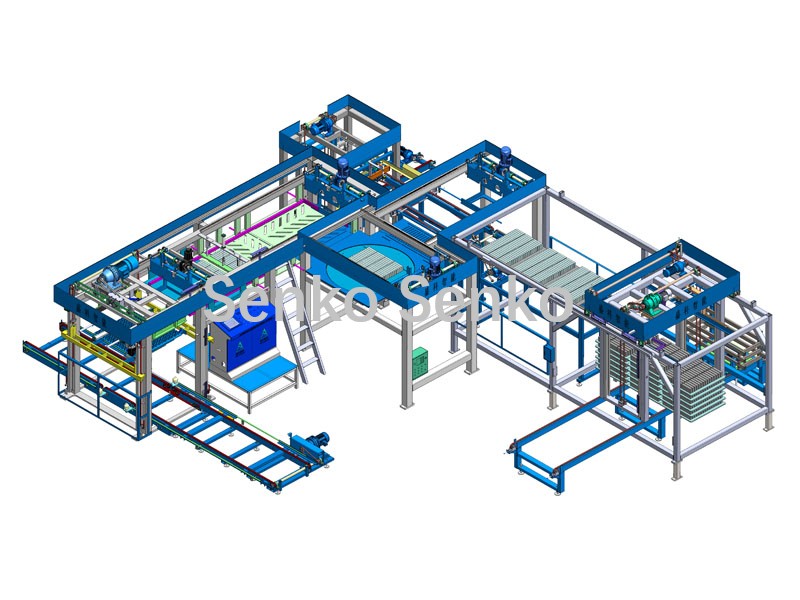
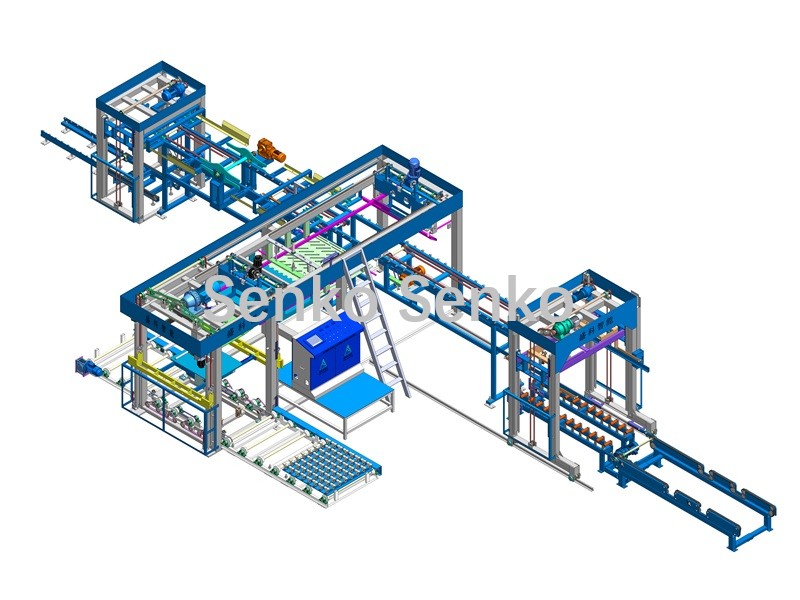
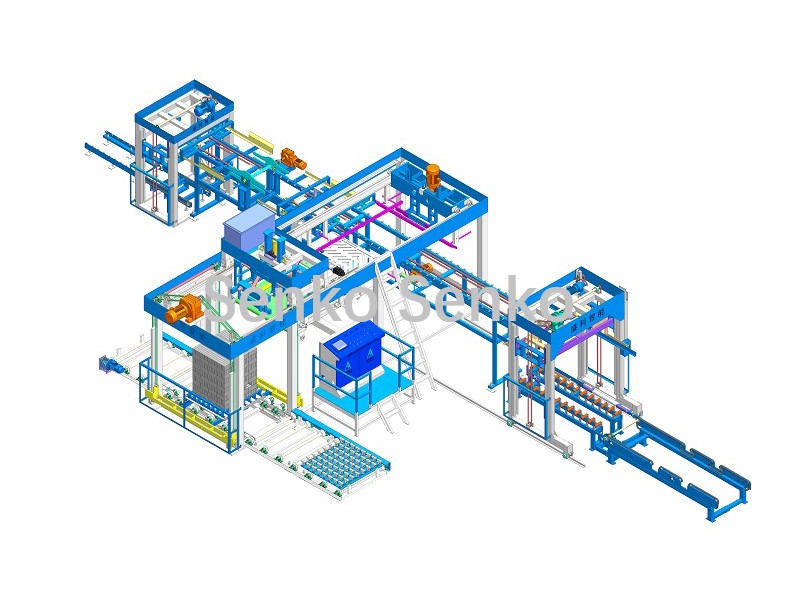
- Barisan pengeluaran automatik sepenuhnya: Saksikan pertumbuhan pesat. Nilai pasaran mesin automatik penuh global mencecah USD 550 juta pada tahun 2025 dan dijangka meningkat dua kali ganda kepada USD 1.15 bilion menjelang 2034 pada CAGR 8.2%. Kilang-kilang memilih barisan automatik untuk mengurangkan perbelanjaan buruh, menstabilkan kualiti produk dan memenuhi pesanan pukal kejuruteraan yang besar.
2. Segmentasi Pasaran Serantau: Ciri Permintaan Tertentu dalam Lima Zon Utama
2.1 Asia Pasifik: Pasaran Global Terbesar, Peningkatan Kuantiti dan Kualiti Berganda
Rantau Asia-Pasifik menyumbang hampir 48% daripada bahagian pasaran bahan blok global, menduduki tempat pertama di seluruh dunia.
- China bertindak sebagai pengguna blok terbesar dan pengeksport peralatan utama. Pengilang tempatan menduduki saham dominan di Asia Tenggara, Timur Tengah dan Afrika dengan jentera yang kos efektif dan tahan lama. Kilang-kilang domestik mengalihkan tumpuan kepada barisan pengeluaran rendah karbon dan pintar di bawah peraturan alam sekitar domestik.
- India, Vietnam, Indonesia dan Thailand menyaksikan pelaburan infrastruktur yang melonjak. Permintaan peralatan tahunan meningkat 8%–18%, menggabungkan pembelian arus perdana separa automatik dengan peningkatan jumlah pesanan automatik penuh. Pembeli mengimbangi harga peralatan dan fungsi automasi asas.
2.2 Afrika & Timur Tengah: Pasaran Teras Baru Muncul yang Paling Pantas Berkembang
Zon ini merupakan lautan biru yang paling menjanjikan untuk pengeksport mesin blok pada tahun 2026. Negara-negara termasuk Kenya, Uganda, Nigeria, Mesir dan Arab Saudi menjalankan pembinaan bandar besar-besaran dan rancangan perumahan penempatan semula pelarian.
Kebanyakan pelabur tempatan bermula dengan mesin blok bertelur separa automatik kerana dana permulaan yang terhad. Sementara itu, perusahaan bersaiz sederhana secara beransur-ansur membeli barisan pemasangan automatik penuh untuk menjalankan bidaan kejuruteraan kerajaan. Peralatan blok China mengambil alih lebih 60% bahagian pasaran di seluruh Afrika Timur dan Barat berdasarkan daya saing harga dan sistem sokongan selepas jualan yang lengkap.
2.3 Eropah & Amerika Utara: Pasaran Mewah yang Memberi Tumpuan kepada Kecerdasan dan Pengurangan Karbon
Pasaran maju meninggalkan peranti manual dan separa automatik kelas bawahan. Piawaian pembelian tertumpu pada tiga petunjuk: kawalan pintar IoT, penggunaan tenaga yang rendah dan keserasian dengan bahan mentah kitar semula.
Perusahaan Eropah mengutamakan mesin yang menyokong pengacuan blok penangkapan karbon untuk mematuhi Mekanisme Pelarasan Sempadan Karbon EU. Pembeli Amerika Utara memerlukan peralatan untuk memenuhi piawaian perindustrian ASTM, dengan penyusunan, pengawetan dan pembungkusan automatik yang disepadukan ke dalam keseluruhan barisan pengeluaran. Jenama Eropah dan Amerika tempatan yang berkos tinggi menerajui segmen mewah, manakala barisan automatik Cina yang berkualiti tinggi mendapat pengiktirafan pasaran yang semakin meningkat.
2.4 Amerika Latin: Pertumbuhan Berkelajuan Sederhana yang Mantap
Brazil, Argentina dan Colombia memacu pembinaan lebuh raya dan kediaman. Permintaan tertumpu pada model separa automatik julat pertengahan dan automatik penuh asas. Pembeli serantau lebih suka peralatan dengan operasi mudah dan penggantian alat ganti yang mudah, dengan ramai peniaga mencari kerjasama pengedaran serantau eksklusif dengan pengeluar luar negara.
3. Tiga Trend Industri yang Menentukan Peraturan Persaingan yang Membentuk Semula
3.1 Penaiktarafan Automasi Menjadi Pilihan Universal
Daripada negara-negara Eropah yang kaya kepada wilayah Afrika yang sedang membangun, penaiktarafan daripada manual kepada mekanikal, kemudian kepada automasi penuh tidak dapat dipulihkan. Talian automatik sepenuhnya mengurangkan kakitangan sebanyak 60%–70% berbanding unit separa automatik, memendekkan kitaran pulangan pelaburan kepada 18–24 bulan, dan menjadi pilihan pertama untuk loji blok yang telah lama beroperasi.
3.2 Pengeluaran Rendah Karbon & Mesra Alam Menjadi Standard Wajib
Peralihan hijau bukan lagi pilihan. Mesin blok moden mesti menyokong pencampuran sisa pembinaan, sanga dan sisa industri ke dalam bahan mentah. Peralatan yang mampu menghasilkan blok rendah karbon mendapat akses keutamaan kepada tender projek kerajaan di kebanyakan negara. Padanan kuasa solar, sistem getaran penjimatan tenaga dan struktur hidraulik berkuasa rendah telah menjadi konfigurasi standard untuk jentera generasi baharu.
3.3 Kecerdasan Digital Memasuki Kilang Blok
Jenama terkemuka membenamkan sensor IoT dan modul AI ke dalam barisan pengeluaran. Sistem melaraskan keamatan getaran, isipadu suapan dan masa pengacuan secara automatik mengikut suhu dan kelembapan, meramalkan kerosakan komponen terlebih dahulu dan mengurangkan masa henti kegagalan. Loji blok pintar telah menjadi hala tuju pembangunan utama untuk pengeluar berskala besar di seluruh dunia.
4. Cabaran dan Tinjauan Masa Depan
Cabaran Sedia Ada
1. Jurang ekonomi serantau membawa kepada permintaan peralatan yang terpolarisasi, menyukarkan satu produk untuk meliputi semua pasaran global.
2. Pesaing tempatan di Eropah, Jepun dan Jerman mempunyai halangan teknologi dalam peralatan pintar canggih.
3. Kos logistik dan perkhidmatan selepas jualan rentas sempadan kekal menjadi masalah utama bagi pembekal jentera luar negara.
Ramalan Hadapan
Industri blok global akan mengekalkan pertumbuhan tahunan melebihi 4.4% dalam tempoh lapan tahun akan datang. Pasaran baru muncul di Afrika dan Asia Tenggara akan menyumbang lebih 60% daripada pesanan peralatan baharu. Pengilang yang melancarkan produk berperingkat yang meliputi model separa automatik kos rendah hingga barisan auto penuh pintar mewah, serta rangkaian agensi setempat, akan merebut bahagian pasaran terbesar dalam persaingan global.
Ucapan Penutup
Berlatarbelakangkan pembinaan infrastruktur global dan transformasi hijau, industri blok konkrit kekal di landasan pertumbuhan yang mantap. Bagi pengeluar peralatan dan pelabur kilang blok, memahami automasi dan trend rendah karbon akan menjadi cara teras untuk mendapatkan kelebihan daya saing jangka panjang di pasaran seluruh dunia.
Jualan : No.33,Jinhe Avenue,Binjiang Development Zone, Daxiamei Area,Nanan County,Quanzhou City, Fujian,China
Hubungi Kami Sekarang : +8615559090996
E-mel : senko@fjsenko.com